Structures That Define Outdoor Function
Hardscaping Services in Boerne for properties needing durable outdoor features and usable exterior spaces
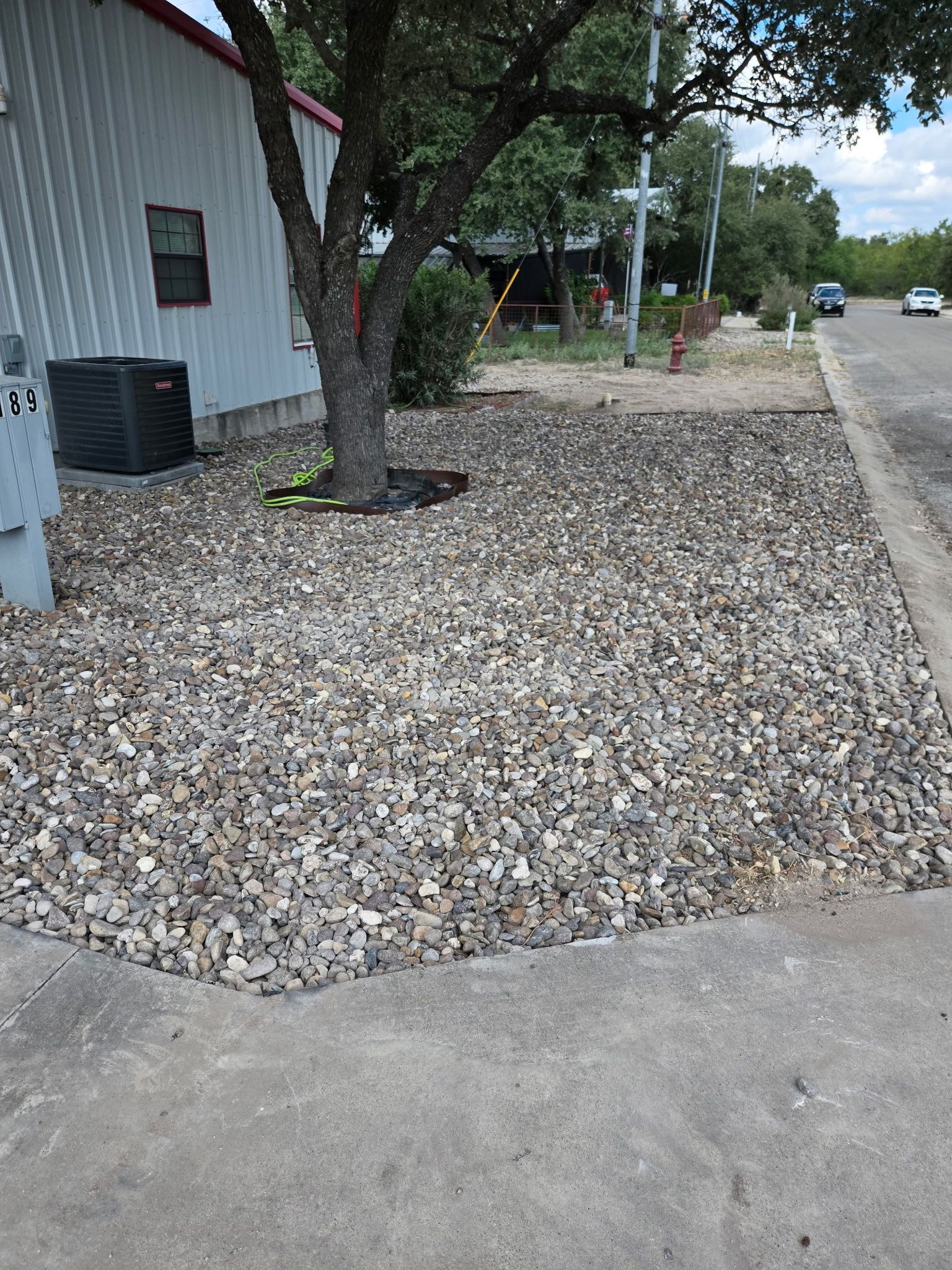
Hardscaping involves installing permanent structural elements like patios, walkways, retaining walls, and outdoor living areas that change how you use exterior space and withstand weather exposure without the maintenance demands of planted landscapes. Two Birds Outdoor Services designs and installs hardscape features in Boerne, Comfort, Bergheim, and surrounding areas that address specific property challenges such as sloped terrain requiring leveling, poorly defined pathways that become muddy during rain, or outdoor areas that lack functional surfaces for furniture or entertaining. These installations use materials selected for Texas heat cycles and freeze-thaw patterns that cause inferior products to crack or shift within a few seasons.
The process begins with site evaluation to determine base preparation requirements, drainage considerations that prevent water pooling against structures, and material selection that matches your property's style while meeting durability standards. Proper installation includes excavation to stable soil layers, compacted aggregate base that prevents settling, and edge restraints that keep pavers or stone from shifting under traffic or weather stress.
Request a design consultation to evaluate your property's layout and discuss hardscape options that improve functionality and integrate with existing landscape features.
What Changes After Hardscaping Completes
Hardscape installation transforms undefined or problem areas into stable, usable surfaces that require minimal upkeep compared to lawn or planted beds. In Boerne, where summer heat limits lawn viability in high-traffic zones and Hill Country properties often feature slopes that complicate traditional landscaping, hardscaping provides durable solutions that don't require irrigation, mowing, or seasonal replanting.
Once construction finishes, you'll have level surfaces that support outdoor furniture without sinking, defined pathways that remain passable during wet weather, and structured transitions between different yard elevations that prevent erosion and create distinct outdoor rooms. Materials like natural stone or concrete pavers withstand temperature swings without cracking when installed over properly compacted bases, and drainage features integrated during construction direct water away from foundations and sitting areas.
Hardscape projects often combine multiple elements such as a patio connected to a walkway leading to a fire pit area, with retaining walls managing grade changes between levels. Design decisions account for sun exposure throughout the day, proximity to home access points, and how the hardscape coordinates with surrounding plantings or turf areas that remain part of the overall landscape.
Homeowners considering hardscape installations ask about material durability, design flexibility, and how these features integrate with their property's existing conditions.
Answers to Frequent Service Questions
What materials work best for Texas weather conditions?
Natural stone and concrete pavers handle heat expansion and occasional freeze cycles better than poured concrete, which cracks more readily under temperature stress. Material selection also considers surface texture for slip resistance and color that doesn't become uncomfortably hot underfoot during summer.
How does base preparation affect long-term durability?
Excavation depth and aggregate compaction determine whether pavers remain level or begin settling and shifting within a few years. Proper base construction includes four to six inches of compacted crushed stone topped with bedding sand that allows pavers to interlock without voids that lead to movement.
What drainage considerations apply to hardscape installations?
Sloping the finished surface away from structures at a minimum two percent grade prevents water from pooling or flowing toward foundations, while edge drains or French drains manage subsurface water that could undermine the base layer over time.
How do hardscape features connect with existing landscaping?
Transitions between hardscape and planted areas require edge definition that prevents soil migration onto paved surfaces and allows mowing equipment to operate without damaging paver edges. Design planning accounts for root growth from nearby trees that could eventually lift pavers if installed too close.
When should hardscaping be installed relative to other landscape work?
Hardscape installation typically precedes final grading and planting since heavy equipment and material delivery can damage established turf or beds, though coordination depends on whether you're starting with bare land or updating an existing landscape.
Two Birds Outdoor Services coordinates hardscape design with your property's terrain, drainage patterns, and intended use to create outdoor spaces that remain functional and stable long-term. Schedule a site evaluation to discuss specific hardscape goals and explore material options suited to your project scope.