
Surfaces Designed for Outdoor Exposure
Pavers in Boerne for patios, walkways, and driveways that handle weather and traffic
Poured concrete cracks under Texas heat cycles and requires complete replacement when damage occurs, while asphalt softens in summer temperatures and deteriorates along edges where water infiltration causes base failures. Pavers installed by Two Birds Outdoor Services offer design flexibility with patterns, colors, and textures that poured surfaces can't match, plus individual units can be lifted and relaid if settling occurs or utility access is needed without destroying the entire installation. Properties across Boerne, Fair Oaks Ranch, San Antonio, and surrounding areas use pavers for patios that expand outdoor living space, walkways that define routes between landscape areas, and driveways that support vehicle loads while maintaining a finished appearance that improves curb appeal compared to standard concrete slabs.
Installation begins with excavation to remove unstable soil and organic material, followed by aggregate base placement compacted in lifts to create a stable foundation that won't settle under load. Bedding sand is screeded level before pavers are placed in the selected pattern, then joint sand is swept between units and compacted to lock pavers together into a unified surface that distributes weight and resists individual unit movement.
Request a design consultation to explore paver styles, layout patterns, and site preparation requirements specific to your project location and intended use.
What You Notice Once Paver Installation Is Finished
Paver installations create stable, level surfaces with defined edges that prevent grass encroachment and maintain clean transitions to adjacent landscape areas. The interlocking nature of properly installed pavers distributes loads across multiple units rather than concentrating stress in one location, which is why paver surfaces handle temperature expansion and ground movement better than monolithic concrete that must crack to relieve stress.
After construction completes, you'll have outdoor surfaces that support furniture without settling or tipping, walkways that remain level and trip-free even after years of use, and driveways where individual pavers can be replaced if oil stains or damage occur without visible repair patches that mar concrete. Joint sand between pavers allows water to permeate into the base and subgrade rather than sheeting across the surface, which reduces runoff and standing water compared to impervious poured surfaces.
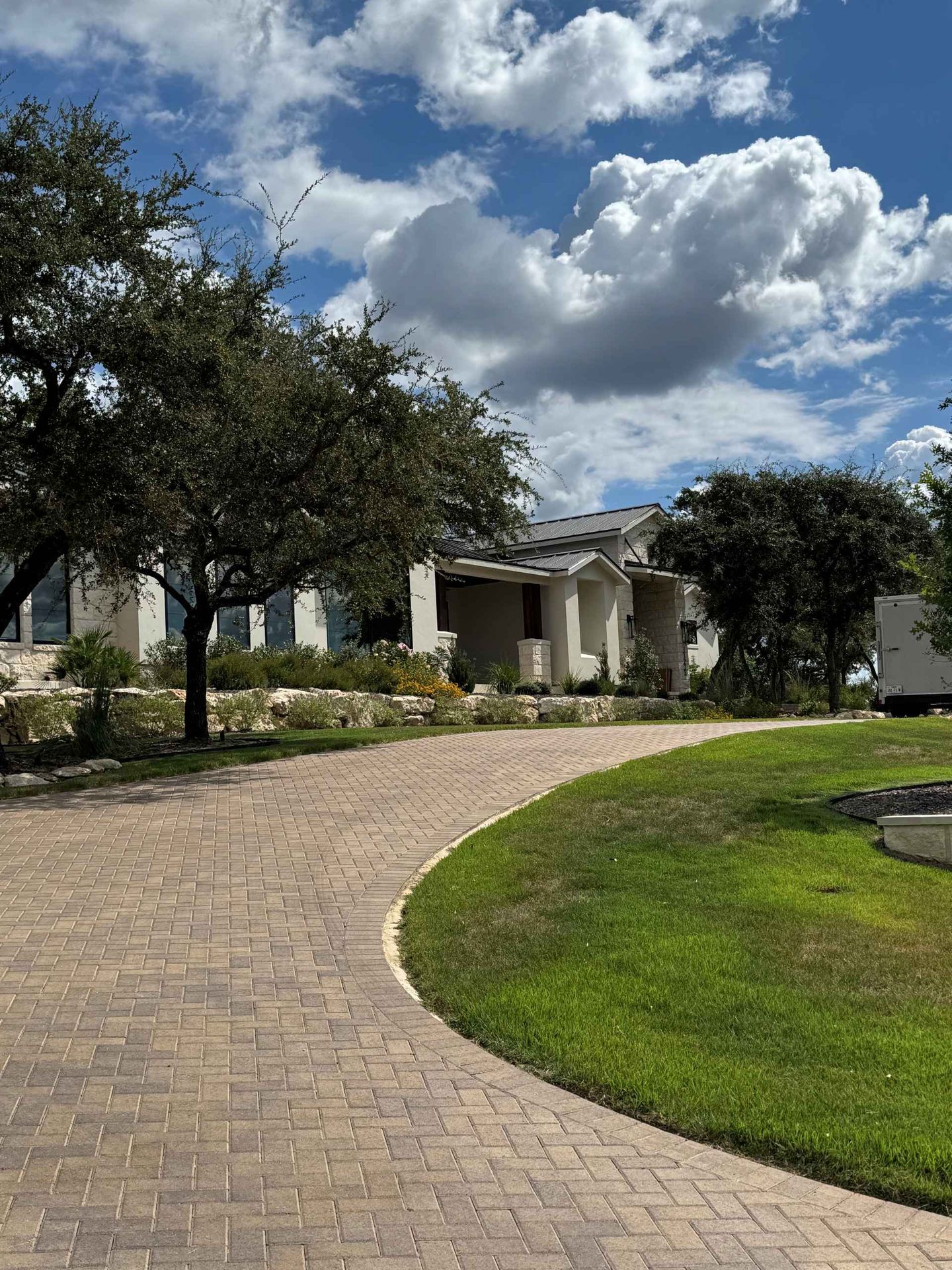
Design options include running bond patterns that suggest direction and movement, herringbone layouts that maximize interlock for vehicular applications, or circular and fan patterns that create focal points in patio centers or courtyard entries. Color blending with multiple paver tones creates visual depth and helps mask the minor shade variations that occur naturally in concrete products over time as they weather and accumulate dirt in surface textures.
Homeowners considering paver installations ask about durability compared to other materials, design flexibility, and long-term maintenance before committing to project costs.
Questions Before Starting Your Project
How do pavers compare to poured concrete for durability?
Pavers handle freeze-thaw cycles and thermal expansion better because joints between units allow movement without cracking, and individual damaged pavers can be replaced rather than requiring full surface removal and replacement like cracked concrete demands.
What base preparation do paver installations require?
Excavation depth typically ranges from six to twelve inches depending on soil stability and whether the surface will support vehicle traffic, with crushed aggregate compacted in layers to create a stable base that prevents settling. Poor base preparation is the leading cause of paver failure when surfaces become uneven within a few years.
What design patterns work best for different applications?
Herringbone patterns provide maximum interlock for driveways where turning vehicle loads could shift pavers, while running bond or basketweave patterns suit patios and walkways where visual interest matters more than structural performance under heavy loads.
How do pavers perform in Boerne's climate?
Concrete pavers handle summer heat without softening like asphalt and resist damage from the occasional hard freeze better than poured concrete, with proper base drainage preventing frost heave that can disrupt surfaces in regions with prolonged freezing temperatures.
What maintenance do paver surfaces need long-term?
Joint sand requires replenishment every few years as it washes out during heavy rain or gets displaced by pressure washing, and periodic sealing helps resist staining and enhances color while making future cleaning easier, though sealing is optional rather than required for structural performance.
Two Birds Outdoor Services customizes paver installations based on your property's soil conditions, drainage requirements, and how you'll use the finished surface. Arrange a consultation to review material options and discuss layout designs that match your aesthetic preferences and functional needs.