Lawns Without Competing Plant Growth
Weed Control in Boerne for properties where invasive plants reduce turf density and visual consistency
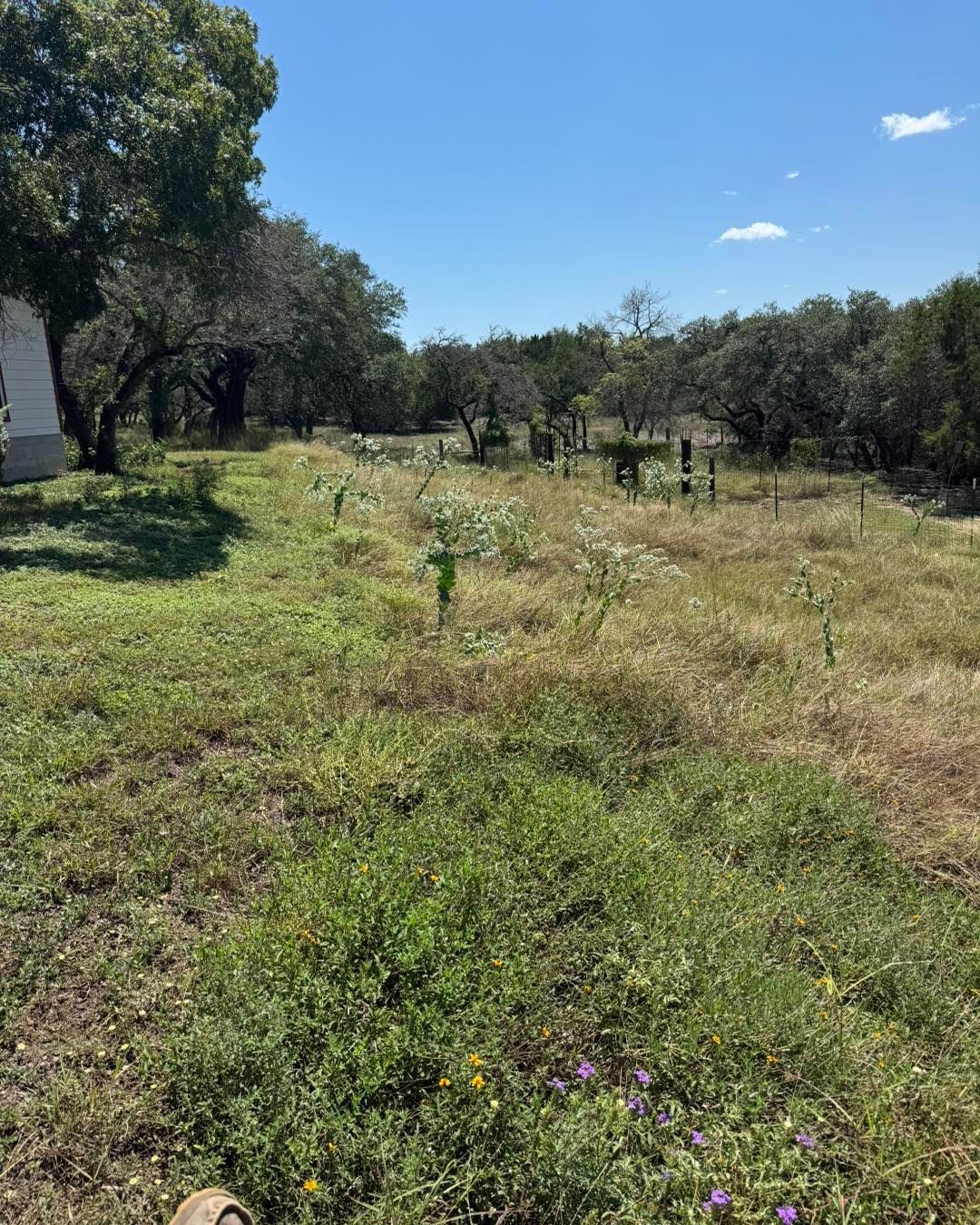
When broadleaf weeds establish root systems in your lawn, they compete with grass for water and nutrients while spreading rapidly through seed dispersal and underground runners. Two Birds Outdoor Services provides weed control in Boerne, San Antonio, Kerrville, and surrounding areas using targeted treatments that address active growth without harming desirable turf. Properties near undeveloped land or areas with inconsistent maintenance history often see higher weed pressure from wind-carried seeds and root fragments left in the soil.
This service focuses on both elimination and prevention—treating existing weeds before they produce seeds and applying pre-emergent barriers that stop new weeds from germinating during peak growth windows. Different weed species respond to different treatment methods, and timing matters because herbicides work most effectively when weeds are actively growing and moving nutrients through their vascular systems. Consistency determines results because weed seeds remain viable in soil for years, and a single treatment cannot address dormant seeds that germinate later.
Arrange a lawn evaluation to identify which weed species are present and which treatment approach will address them.
How Weed Pressure Affects Lawn Density
Weeds reduce lawn quality by occupying space where grass would otherwise grow and by creating visual inconsistency—different leaf shapes, colors, and growth heights that break up the uniform appearance of healthy turf. Some weeds, like clover and henbit, spread horizontally and form dense mats that smother grass beneath them. Others, like dandelions and thistles, develop deep taproots that make hand removal ineffective because any root fragments left behind regenerate into new plants.
Once treatments take effect, you'll notice that treated weeds darken and wilt as the herbicide disrupts their growth processes, and grass begins filling in the spaces they previously occupied. Two Birds Outdoor Services applies treatments during weather windows when rainfall won't wash products off leaf surfaces before absorption occurs. Treatment plans typically involve multiple applications spread across several months to address weeds at different life stages.
Weed control works best alongside lawn maintenance and fertilization because dense, healthy grass naturally resists weed invasion by occupying space and shading soil where weed seeds attempt to germinate. Pre-emergent treatments form a chemical barrier in the top layer of soil that stops seedlings from developing roots, but these barriers break down over time and require reapplication. Weather conditions in Boerne—particularly warm winters and extended spring growth periods—allow some weed species to remain active year-round.
Understanding how treatments work and what results to expect helps property owners recognize why consistent applications produce better outcomes than isolated interventions.
Common Questions About Weed Treatment
What determines which herbicide gets used on your lawn?
Treatment selection depends on weed species present, turf type, and whether you need pre-emergent or post-emergent control—some products prevent germination while others kill actively growing plants.
How long before treated weeds disappear completely?
Most broadleaf weeds show visible wilting within one week and die back fully within two to three weeks, but the timeline varies based on weed maturity and environmental conditions during treatment.
When should pre-emergent treatments be applied in Boerne?
Pre-emergent applications occur before soil temperatures reach the germination threshold for target weeds, typically in late winter for summer annuals and late summer for winter annuals common in the region.
Why do some weeds return after treatment?
Seeds already present in the soil can remain dormant for years and germinate after treatment windows close, and untreated neighboring properties introduce new seeds through wind dispersal and mowing equipment.
How does weed control connect with fertilization programs?
Healthy, well-fertilized grass grows thicker and crowds out emerging weeds, which reduces the number of plants that require herbicide treatment and creates conditions where weeds struggle to establish.
Two Birds Outdoor Services develops treatment plans based on the specific weed species affecting your property and the growth stage where intervention will be most effective. Request a treatment plan that addresses both current weed populations and future germination cycles.